Primary teaching · SEND · Neurodiversity · AuDHD awareness
Inclusive teaching, neurodiversity advocacy, and practical support for children to thrive.
I’m a qualified Primary School Teacher passionate about SEND, wellbeing, AuDHD awareness, and creating learning environments where every child feels safe, understood, and valued.
This site is written for young people, families, and adults — clear language, honest ideas, and respect first.
A calm, practical focus
Inclusion first. Dignity first. Support that meets children where they are — not where assumptions expect them to be.
A warm welcome
This site is part classroom notebook, part advocacy notebook — practical, honest, and grounded in real teaching life. I share ideas that have lived in real lessons, real conversations, and real moments when a child needs support that doesn’t come from a script.
I write for children, young people, families, and educators: clear language, no talking down, and no pretending inclusion is simple when it isn’t. Whether you’re looking for SEND-aware strategies, calmer ways to talk about behaviour, or a bit of reassurance that you’re not getting it wrong by caring this much — you’re welcome here.

If you care about dignity first — about children being seen for who they are, not only how they perform on a given day — I hope you’ll find something you can use. Take what helps, adapt what doesn’t, and leave the rest; this is meant to be a steady companion, not a performance.
Where I focus my energy
Practical, dignity-first support across teaching, advocacy, and wellbeing — with visuals you can share with children and adults alike.
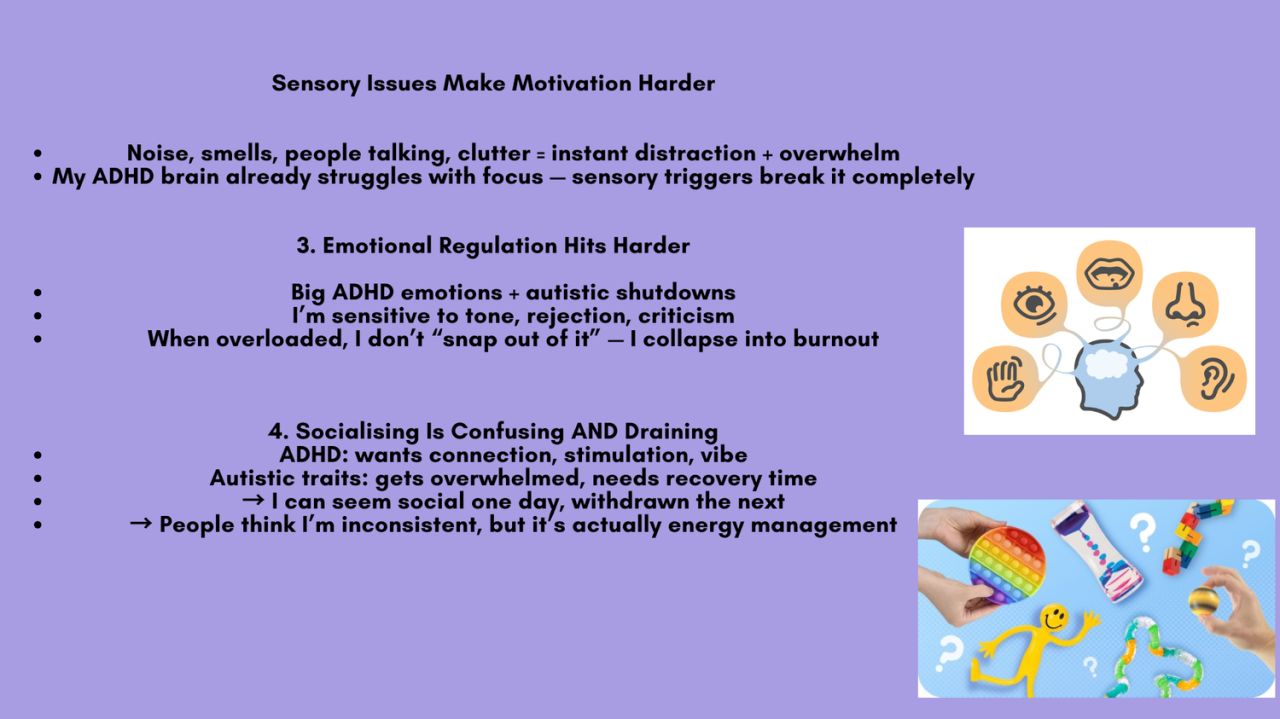
AuDHD tips
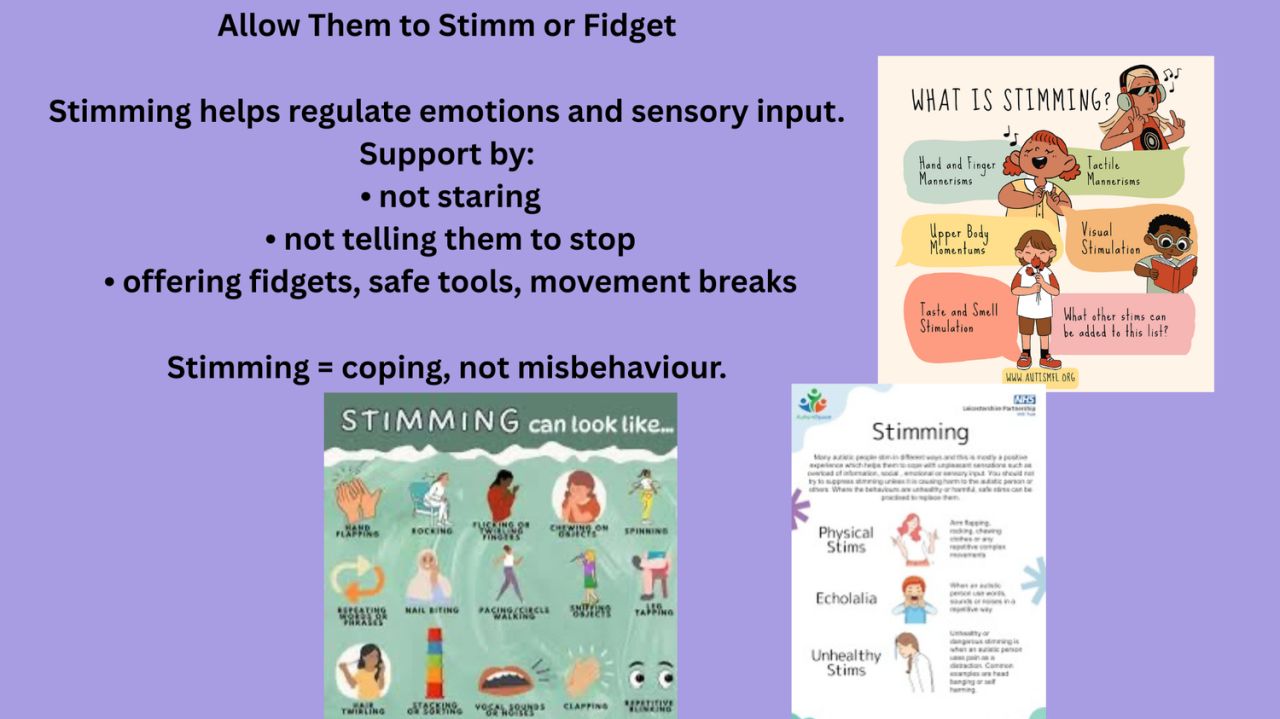
Regulation, routines, and sensory-aware strategies drawn from lived experience and classroom practice.
Teaching tips
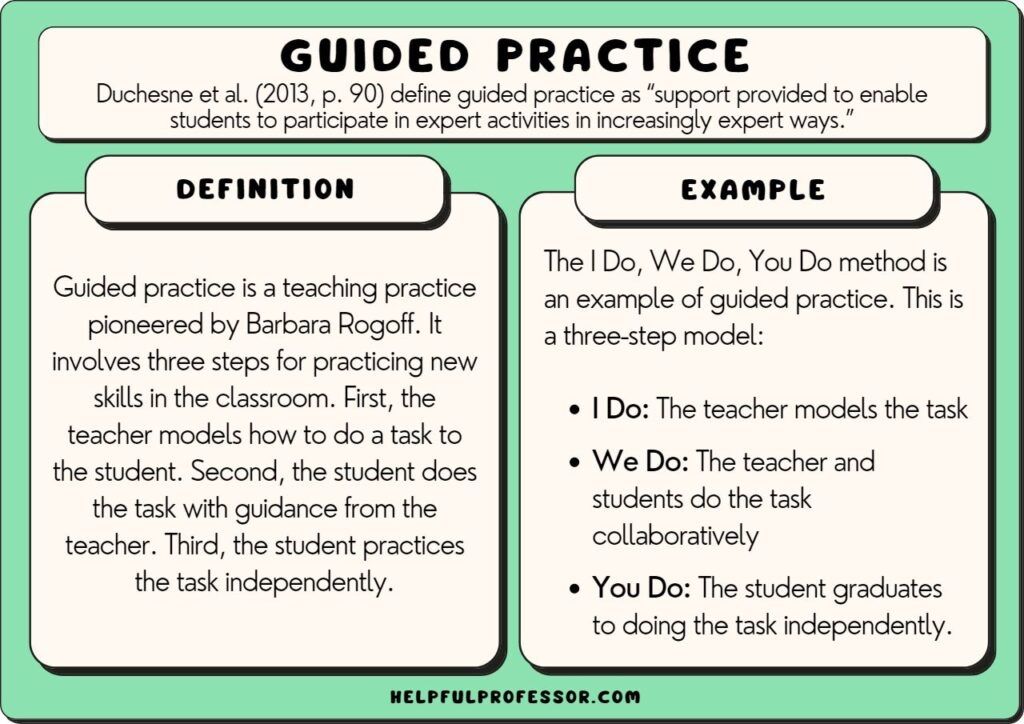
Inclusive routines, emotionally safe learning, and communication that supports every learner.
SEND help
Understanding needs, reducing misunderstanding, and putting supportive strategies in place.
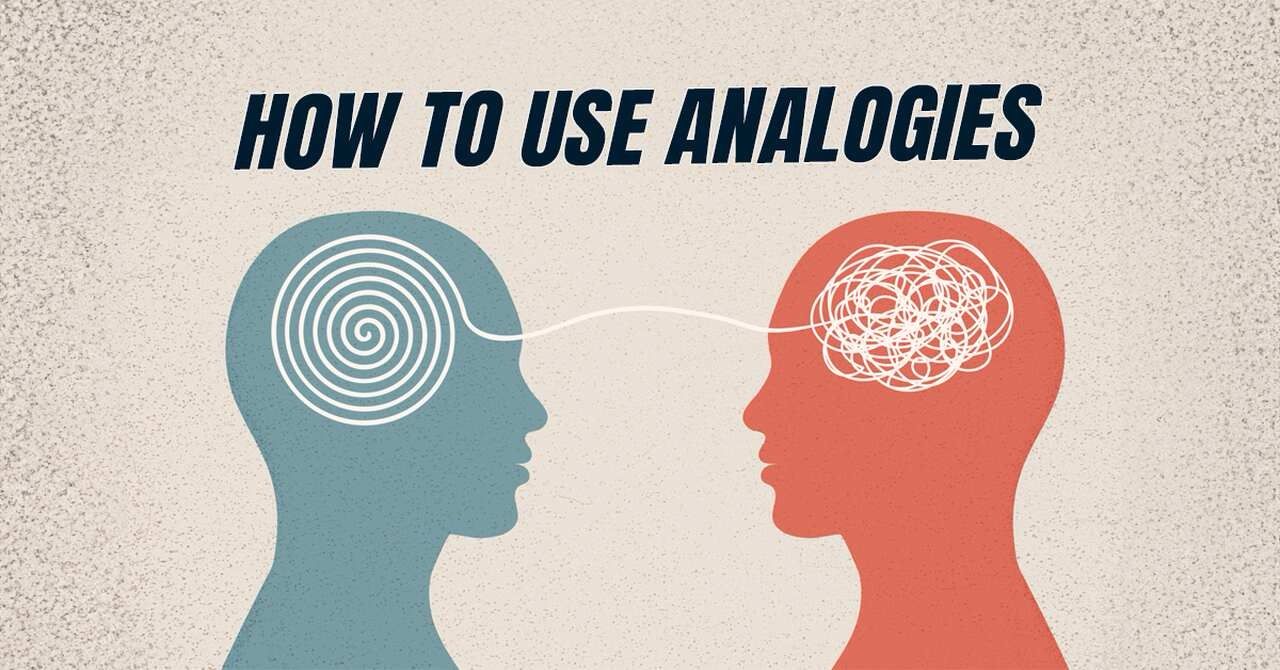
Neurodiversity awareness
Strengths-based framing, dignity-first language, and advocacy that celebrates individuality.
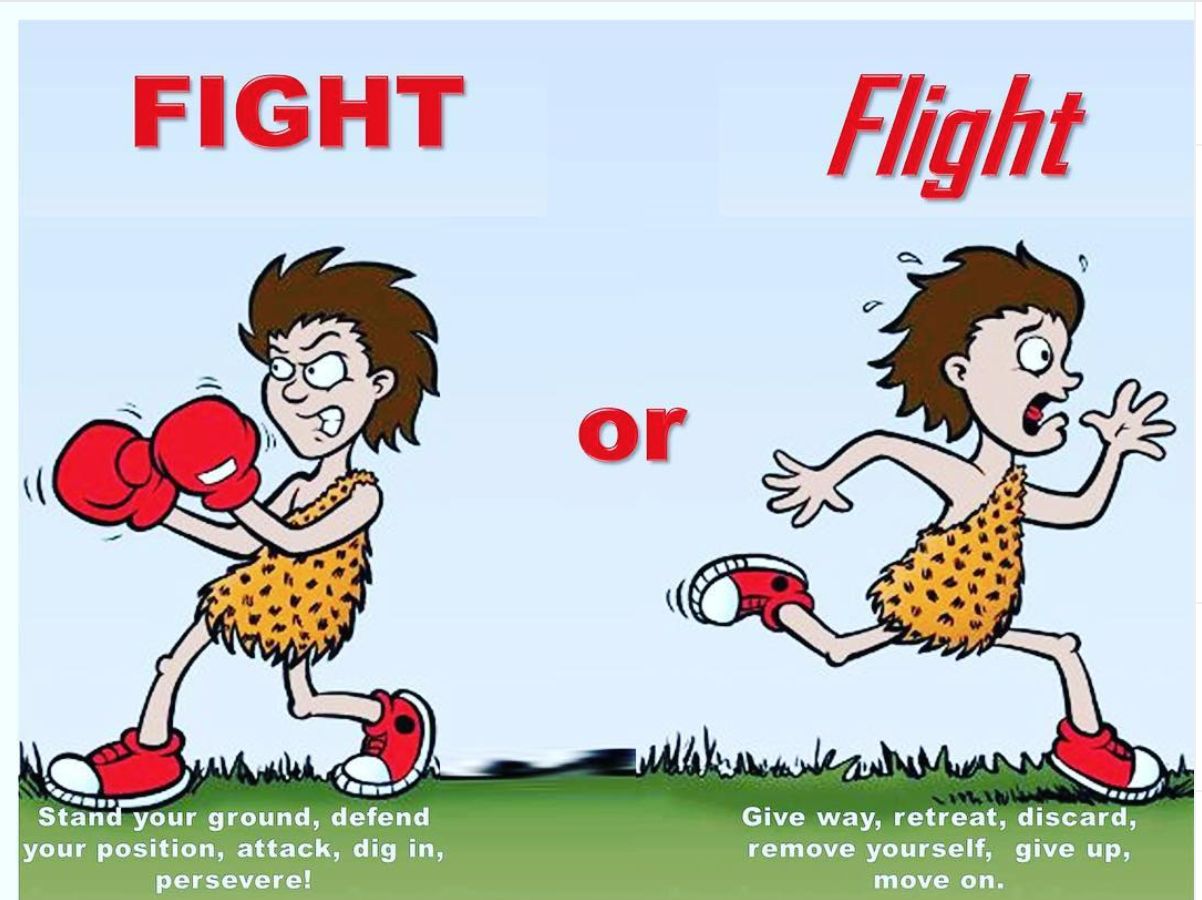
Mentoring
Reflective space for educators and families — practical, grounded, and aligned with inclusive practice.
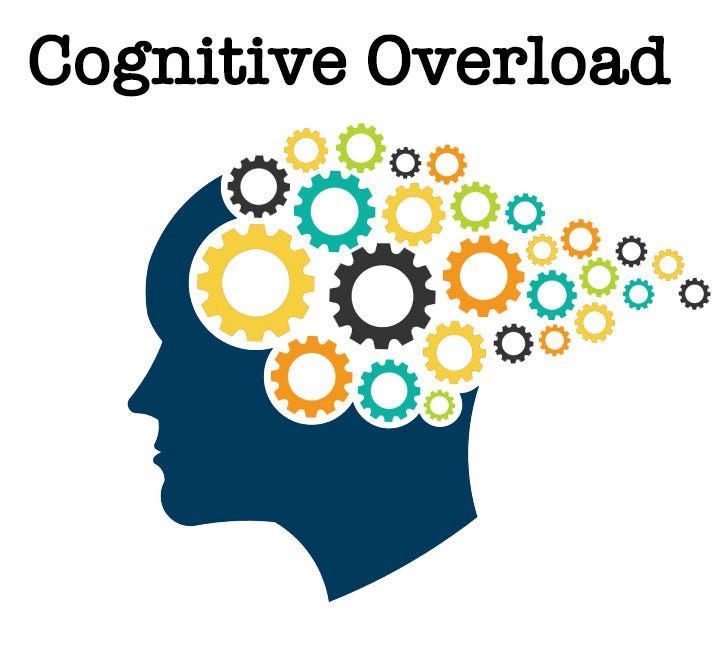
Wellbeing & regulation
Nurture-first approaches that recognise emotional, sensory, and body-based needs alongside learning.
Values that guide my practice
These aren’t buzzwords — they’re the standards I return to when decisions get noisy.
Inclusion
Every child deserves access to learning that respects who they are — not just who the timetable expects them to be.
Emotional safety
Children learn best when shame is low and trust is high — especially when needs are complex or misunderstood.
Understanding behaviour
Behaviour is information. The goal is curiosity first: what is this telling us, and what would genuine support look like?
Advocacy
A steady voice for children and families, and for systems that recognise neurodiversity without turning people into labels.
Regulation and wellbeing
Regulation skills are learned in relationship — through routine, co-regulation, and environments that don’t punish overwhelm.
Belonging
Belonging is more than inclusion on a policy. It’s the daily experience of being valued, even on hard days.
Start with a topic that fits where you are
These pages are built to grow — new notes, downloads, and reflections will land here over time.
AuDHD tips
Ideas for regulation, routines, sensory awareness, and self-understanding — written to be practical, not prescriptive.
Teaching tips
Inclusive classroom moves, calm communication, and small adjustments that make learning feel safer for everyone.
SEND help
Starting points for understanding needs, advocating clearly, and reducing stigma in everyday school life.
Neurodiversity awareness
Ways to build understanding, challenge assumptions gently, and celebrate difference without turning it into a performance.
From the blog
Short, grounded writing on inclusion, regulation, and classroom realities.
Mentoring & reflective support
If you’re looking for a calm space to think through inclusive practice, family–school dynamics, or neurodiversity-aware strategies, mentoring may be a good fit.
Let’s connect
Whether you’re exploring collaboration, mentoring, or simply want to say hello — you’re welcome to reach out.